Top Tips for an EPIC DJ Wedding Experience: Choosing the Right Music Maestro
When planning a wedding, the right DJ does more than play music; they orchestrate the celebration. Understanding what to look for in a DJ wedding, anticipating associated costs, and recognizing their contribution to your big day is crucial. This article offers guidance on identifying a skilled DJ who can tailor the mood from ceremony to dance floor, detail the nuances of DJ wedding pricing, and explain how a DJ can enhance your wedding experience.
Key Takeaways
- Wedding DJs are vital for setting the event’s mood, handling technicalities, coordinating with other vendors, and they do far more than just play music.
- Costs for wedding DJs range between $800 to $4,500 and vary based on factors like time of year, day of the week, and the DJ’s experience as well as potential hidden extras.
- Great DJs read the crowd, play music that resonates with all guests, and create a dynamic atmosphere that keeps the dance floor packed throughout the event.
The Role of a Wedding DJ Beyond the Turntables
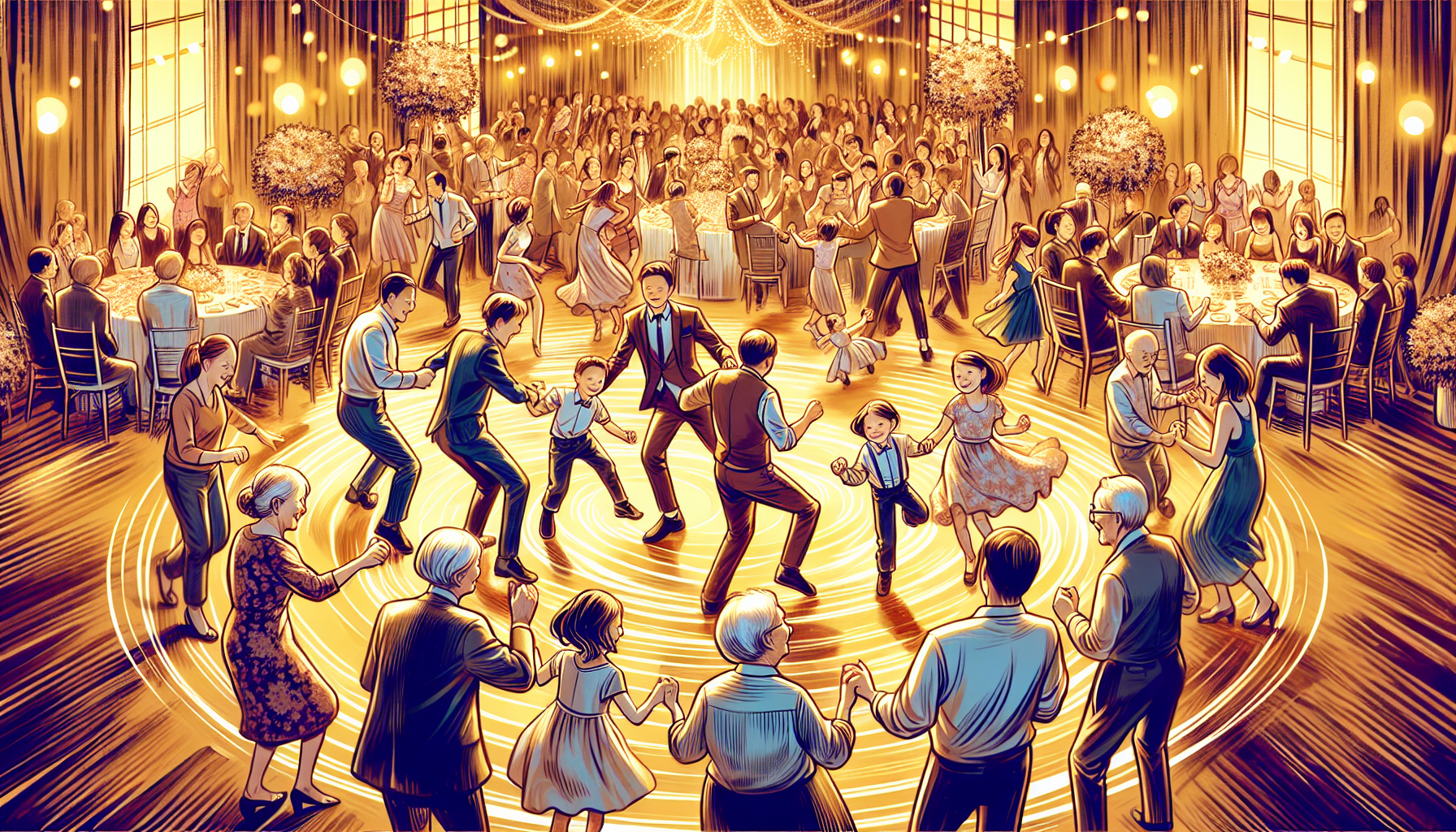
The role of a wedding DJ extends far beyond just spinning tracks. They are the maestros responsible for orchestrating the event’s atmosphere, directing the vibes, and steering your guests through a range of emotions. They’re not just playing music; they’re creating memories.
Wedding DJs often juggle multiple roles at once. Apart from being the life of the party, they often act as MCs, guiding the flow of events and engaging with guests without overshadowing the couple. They handle the technicalities of the wedding’s audio needs, ensuring quality sound throughout the event, and allowing you to enjoy your special day without any hitches.
In the realm of weddings, exceptional DJs distinguish themselves by transcending their basic tasks. They offer a suite of services that include emceeing, personalization, and a dedicated commitment to making your event memorable. Their role in your wedding reception extends to transforming it into a full dance party, ensuring your wedding guests have a time of their lives on the dance floor.
However, a wedding DJ’s responsibilities extend beyond merely working the turntables. They’re also responsible for coordinating with other vendors to ensure a harmonious flow of events. They collaborate with photographers, caterers, and more to create a seamless experience for your big day. So, when you hire a DJ, you’re not just hiring someone to play music; you’re investing in a professional who will ensure your wedding day goes off without a hitch.
Mastering the Ceremony Music
Regarding the ceremony, the music holds a pivotal place in establishing the appropriate mood and ambiance. It’s the DJ’s responsibility to select the appropriate music for each stage, ensuring a cohesive and harmonious experience for all attendees. From the moment your guests arrive to the very last dance, every song should seamlessly blend into the next, creating a beautiful symphony of sounds that mirror the mood of the event.
A skilled DJ ensures smooth transitions between different stages of the ceremony, maintaining the desired atmosphere and flow of the event. Whether it’s the gentle tunes during the exchange of vows or the joyful beats celebrating the newlyweds’ exit, each song contributes to the narrative of your wedding day. Add to this the use of a lavalier microphone for the officiant, which ensures everyone can hear every word of the ceremony. It’s not just about playing music; it’s about mastering the art of storytelling through sound.
Crafting the Perfect Wedding Reception Playlist
Curating an ideal wedding reception playlist is among the DJ’s primary duties. It’s an art, a delicate balance of catering to the couple’s musical taste and keeping the dance floor packed. Every song played should reflect the couple’s personality, their love story, and their journey together.
A perfect playlist isn’t just about the couple though. It should also cater to the guests. Classic songs from the 60s & 70s can be included to cater to older guests, ensuring everyone feels included. Additionally, a combination of fast and slow songs is essential to encourage all guests to participate on the dance floor.
However, creating the ideal playlist involves more than that. With the help of online music selectors, couples can choose the songs they want to be played, and more importantly, the songs that absolutely should not be played at their reception. This way, you can ensure your playlist is truly personalized and reflective of your unique musical taste.
Coordinating with Other Vendors
For a seamless wedding event, the DJ must collaborate with other service providers such as photographers, caterers, and the venue proprietor. This collaboration helps to maintain a smooth flow of the wedding event and ensures that all aspects of your big day are perfectly synchronized.
An effective wedding DJ:
- Doesn’t just play music
- Proactively communicates with other vendors to synchronize activities and timing
- Enhances the guest experience
- Ensures the wedding event progresses without disruptions
- Maximizes enjoyment for the couple and their guests
So, when you’re looking for a DJ, you’re not just looking for someone who can keep the dance floor full; you’re looking for a team player who can work seamlessly with other vendors to create an unforgettable wedding experience.
Understanding Wedding DJ Costs: A Detailed Breakdown
Comprehending the expenses associated with engaging a wedding DJ is imperative as you map out your wedding budget. The cost can widely range from $800 to $4,500, with the national average being around $1,500. But what influences these costs?
The expenses for a wedding DJ extend beyond merely the performance; they include a variety of factors such as:
- Preparation time for the playlist and script
- Travel
- Setup and breakdown
- Operational costs like office rent, business licenses, and marketing
However, some DJ companies, like ‘They’re Playing Our Song DJ,’ offer extras at no additional cost, maximizing the value of your investment.
However, before finalizing your wedding budget, it’s worth grasping the elements that affect the cost of DJ services. Let’s dive a little deeper and explore these factors.
Factors That Influence Pricing
The cost of hiring a wedding DJ can vary depending on several factors. The time of year, for instance, plays a significant role, with peak wedding months like June and September generally commanding higher prices. Similarly, the day of the week also influences the cost, with Saturdays being the most expensive.
On top of these, wedding DJs have different pricing approaches. Some may charge a flat hourly rate, while others operate with minimum hour requirements that can affect the total charge for their services. And don’t forget about travel-related expenses. The distance they need to cover to reach the venue, parking fees, and even traffic conditions can all influence the total cost. Ensure you discuss all these factors with your potential DJ to get a clear cost estimate.
Hidden Extras to Watch For
When planning your wedding budget, it’s important to be aware of potential hidden costs or upgrades not included in the initial DJ quote. Additional costs for a wedding DJ may include lighting, special effects, or other services beyond the initial package.
Before signing the contract, it’s crucial to explicitly ask the DJ about any possible extra fees that could be incurred during the wedding. This way, you can avoid surprise charges and ensure your wedding budget stays within your planned limits.
Creating an Electric Atmosphere: Ensuring a Full Dance Floor
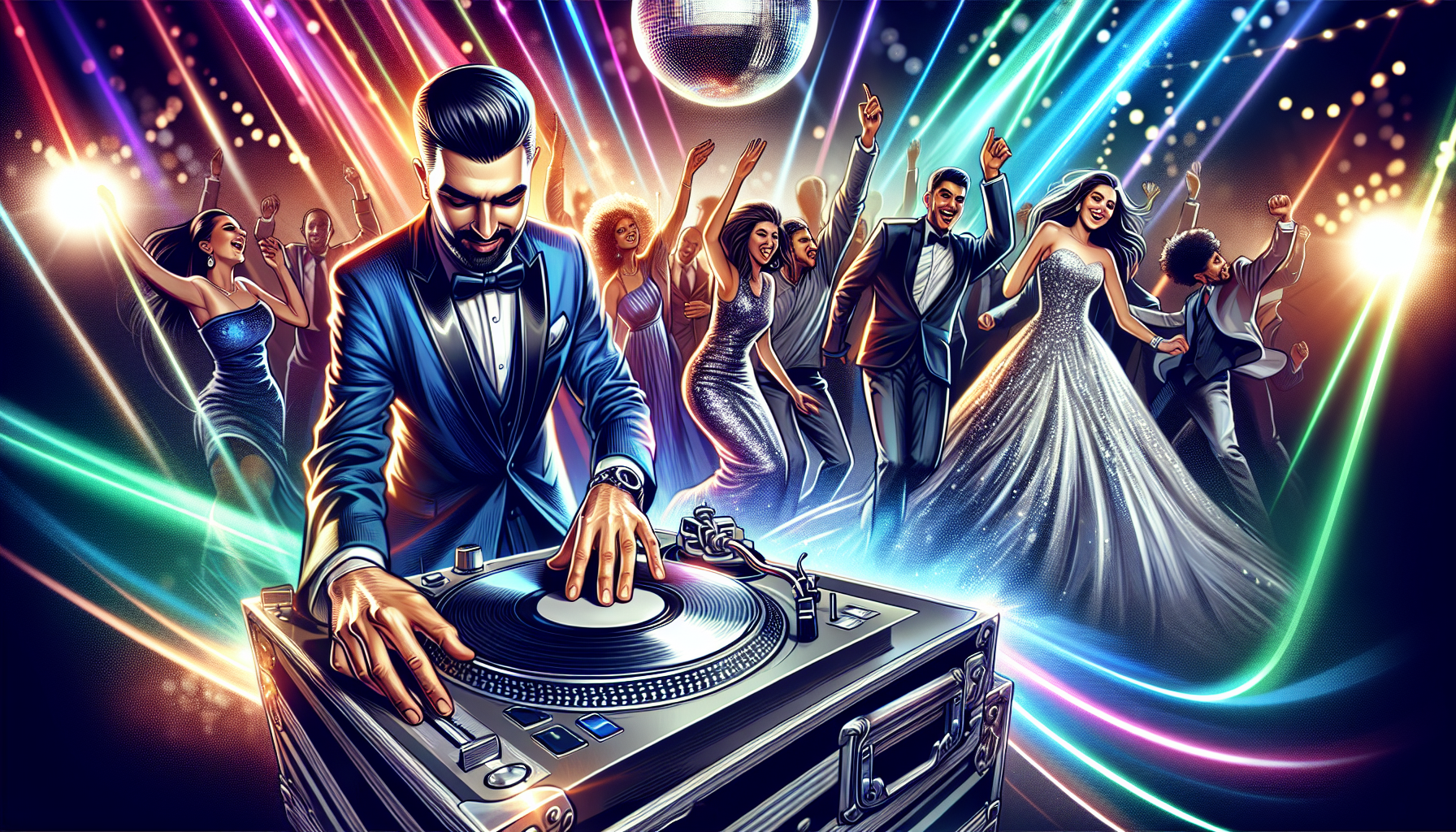
Fostering a vibrant ambiance at a wedding reception is a craft demanding a profound grasp of music and a strong bond with the attendees. A great DJ can instantly create an electric atmosphere on the dance floor by playing well-known anthems that appeal to a broad audience.
Music at weddings should be emotionally resonant, fun, and down-to-earth. Subtle tunes might be appreciated by music connoisseurs, but powerful anthems that everyone knows and loves are what get people on the dance floor. To cater to different age groups, a DJ should play diverse music, avoid lingering on one style for too long, and adapt to the crowd’s response.
An adept DJ company possesses several skills, including:
- Tactfully managing song requests
- Balancing guest song requests with maintaining the overall party vibe to keep the dance floor packed
- Enhancing the dance floor with personalized decals and dynamic lighting to elevate the reception experience.
Establishing a charged environment at a wedding reception isn’t solely about spinning the right tunes. It’s about understanding the crowd, knowing when to play what, and how to keep the energy levels high. Let’s delve a little deeper into how DJs manage to do this.
Reading the Crowd
Interpreting the crowd is a vital talent for a wedding DJ. They need to consider the dance floor dynamics, which includes guests of varying ages and musical tastes. A DJ’s ability to adjust their music selection on the fly based on the crowd’s reaction plays a critical role in maintaining engagement at a wedding.
Experienced wedding DJs should be able to ‘read the room’ and adjust the music accordingly to maintain the event’s energy. Whether it’s playing a slow romantic song for a couple’s first dance or switching to a lively track to get everyone on the dance floor, a good DJ knows exactly what to play and when to keep the crowd engaged.
Engaging Every Guest
Involving each attendee is another significant duty of a wedding DJ. They need to recognize the presence of various age groups on the dance floor and play music that caters to everyone, from the youngest to the oldest. To keep a multigenerational crowd entertained, a DJ should rotate through different styles and eras of music.
Music professionals recommend the following tips for a successful wedding reception:
- Limit the number of slow songs to sustain the energy levels on the dance floor.
- Initiate a group photo on the dance floor to bring all the guests together and create a memorable moment.
- Create an atmosphere that encourages dancing and keeps the energy high throughout the night.
By following these tips, you can ensure that your guests have a great time and create unforgettable memories.
Tailoring Music to Your Wedding Day Timeline
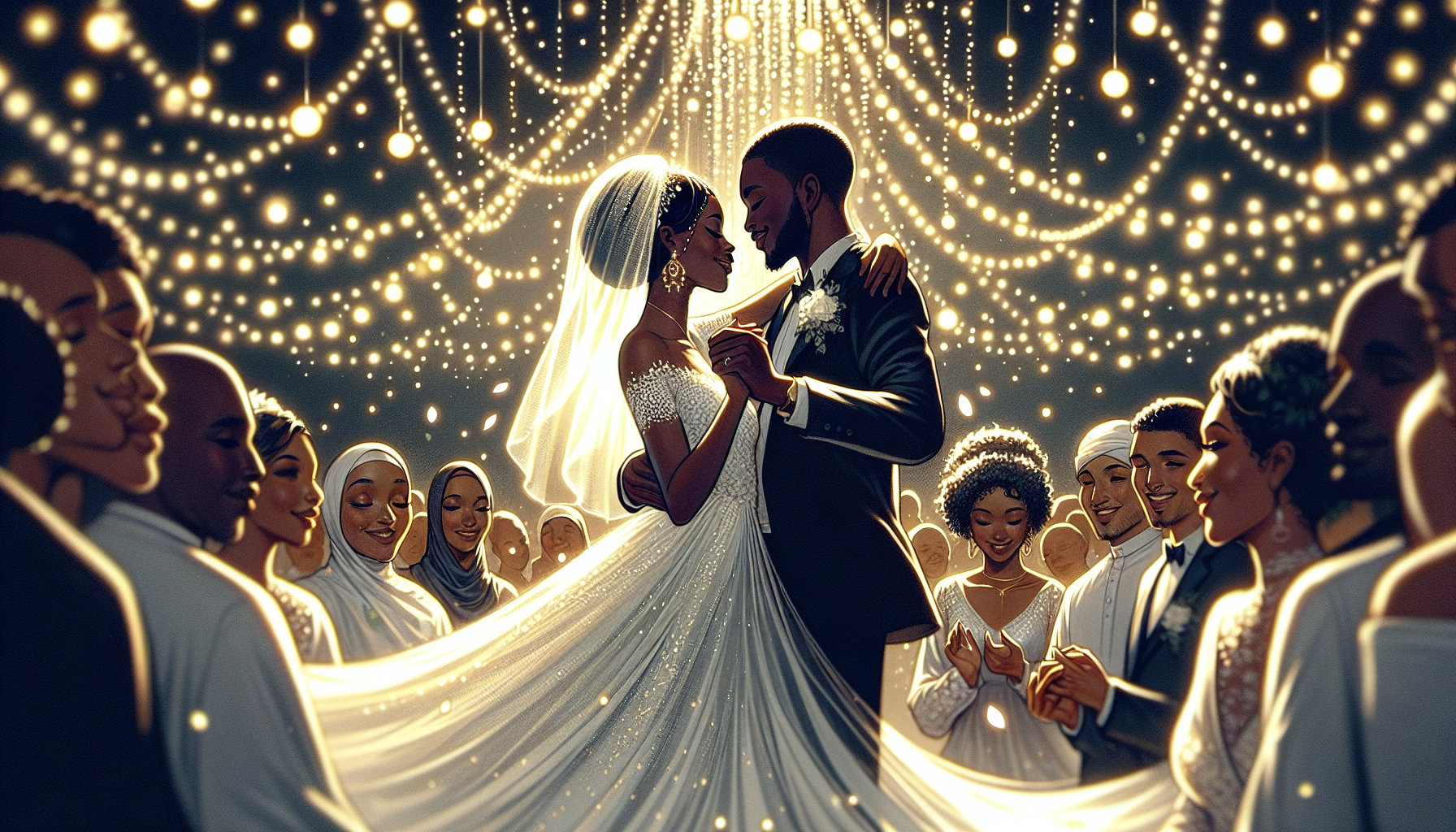
Music has a crucial function in each segment of a wedding, spanning the ceremony to the after-party. A good DJ knows how to curate music selections to fit every specific part of the wedding day. Whether it’s:
- the procession music during the ceremony
- the upbeat tunes during the bridal party entry
- the soft background music during dinner
- the high-energy tracks for the after-party
Every song contributes to the overall experience of your big day.
During the wedding dinner, music serves as a background element that sets the atmosphere while allowing guests to converse comfortably. The music should be moderate in volume, creating a pleasant ambiance without overpowering the conversations.
However, the music continues even after the dinner concludes and during the cocktail hour. The reception can end on a high note with a ‘soft close’ where the music transitions smoothly, avoiding an abrupt ending to the celebration and leaving your guests with a lasting impression of your special day.
Let’s examine the techniques DJs employ to achieve this.
Setting the Mood During Dinner
Establishing the appropriate ambiance during dinner hinges on selecting the fitting music. Dinner music should be moderate in volume to facilitate easy communication among guests. The DJ selects background music that is low enough to allow for conversation among guests, while also maintaining a celebratory atmosphere.
The ideal dinner music playlist for a wedding mixes various genres, tempos, and includes both popular and lesser-known songs aligned with a common vibe. Whether it’s soft jazz, instrumental classics, or acoustic versions of modern hits, the music should create a pleasant, relaxed atmosphere that allows your guests to enjoy their meals and each other’s company.
Soundtracking Special Events
Key moments of your wedding day deserve a special soundtrack. DJs carefully select specific songs to match the significance of key moments within a wedding, such as the first dance or cake cutting. These songs are aligned with the sentimental value and emotional significance of each event, creating a memorable and personal experience.
And it’s not just about the key moments during the wedding. You also want to plan an exciting entrance and exit to the event. The right song can set the tone for the entire celebration or end the night on a high note, leaving you and your guests with long-lasting memories of your special day.
Legalities and Logistics: Playing Music the Right Way
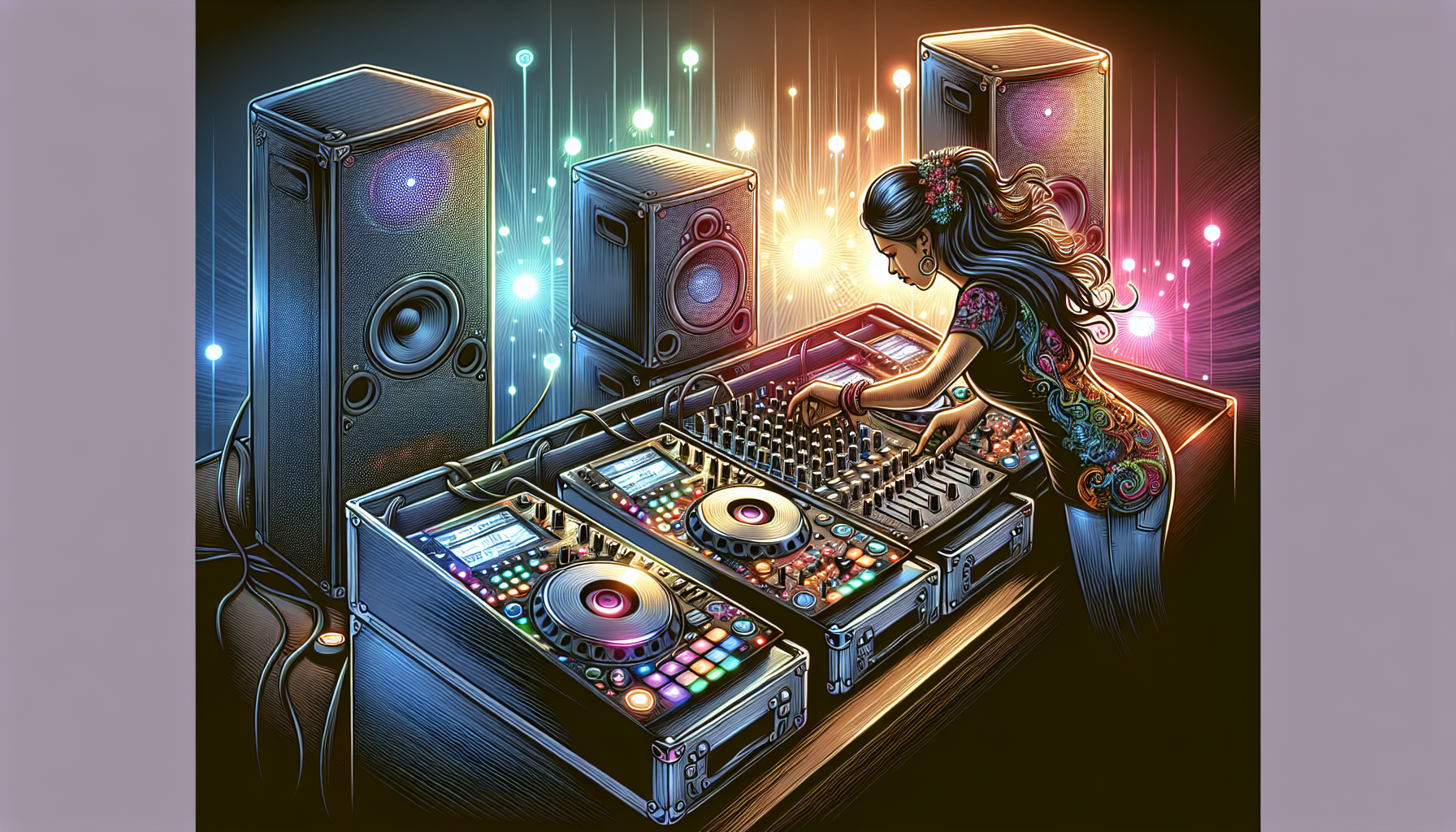
Playing music at a wedding isn’t as straightforward as pressing the play button. It involves legalities and logistics. For instance, DJs are required to have a public performance license to play copyrighted music at wedding events. Without an appropriate license, DJs risk copyright infringement, potentially leading to fines or legal action.
Apart from the legalities, DJs also need to handle the logistics. They:
- Invest in purchasing their own music libraries, which is factored into the costs they charge for their services
- Carry insurance to protect against potential equipment damage or injuries related to their music setup
- Familiarity with the technical setup of the venue is essential to ensure they have the appropriate equipment for a successful performance.
But why isn’t a Spotify playlist sufficient for your wedding? A skilled wedding DJ offers more than just a playlist, providing emceeing and crowd engagement, which a Spotify playlist simply can’t provide. And when it comes to equipment, professional wedding DJs bring high-quality sound systems that are capable of managing sound levels effectively for speech clarity and optimal music volume, suitable for both intimate and large venues.
Why You Can’t Just Use a Spotify Playlist
Even though a Spotify playlist can offer an excellent soundtrack for your wedding, it can’t substitute a proficient DJ. A DJ doesn’t just play music; they emcee crucial moments, read the crowd, and keep the event going strong. They know when to play a slow song, when to amp up the energy, and how to keep your guests dancing all night long. A Spotify playlist can’t do that.
The Need for Professional Equipment
Any wedding DJ needs to have professional equipment. Not only does it ensure quality sound, but it also allows for seamless track blending and well-timed music that adapts to the constantly changing mood of the wedding celebration. A professional DJ’s equipment setup typically includes:
- Turntables
- Mixers
- Headphones
- A vast music library
- Speakers
- Microphones
- Additional elements like lighting and video projection (sometimes)
Maintaining their own equipment is an integral part of a wedding DJ’s service, contributing to the overall cost and guaranteeing reliable performance throughout the wedding event. From the speakers and microphones to the DJ mixer and the lighting, every piece of equipment plays a crucial role in creating the perfect ambiance for your wedding day.
Selecting Your Wedding DJ: Questions to Consider
Choosing the ideal DJ for your wedding is an essential process. It’s not just about finding someone who can play music; it’s about finding a professional who can contribute significantly to the success of your big day. When selecting a wedding DJ, it’s important to consider their experience, personality, and communication skills.
When selecting your wedding DJ, both experience and expertise are crucial. Here are some questions to consider when assessing a DJ’s experience and expertise:
- How many years have they been in the business?
- How many weddings have they done?
- What’s their approach to planning, handling last-second changes, and coordinating with other wedding vendors?
Also, reviews and references from previous clients are beneficial resources during the DJ selection process. They offer insights into the DJ’s past performances and compatibility with the couple’s expectations. But it’s not just about what others have to say about the DJ.
You should also take into account your personal rapport with the DJ. Are they easy to communicate with? Do they understand your vision for the wedding? Do they seem flexible and patient? These are some of the factors that can help you determine whether a DJ is the right fit for your wedding.
Assessing Experience and Expertise
It’s crucial to evaluate a wedding DJ’s experience and expertise during the selection process. Consider the following:
- Has the DJ specialized in weddings?
- Can they demonstrate their expertise in catering to wedding events?
- Consider their background, like DJ Treez’s decade-long experience, which promises a professional music experience.
A DJ’s attitude is also an important factor to consider. Are they:
- Flexible, even-tempered, and patient?
- Attentive to the minutiae of the event?
- Do they have established routines for coordinating with other vendors and venues?
Through inquiring about previous challenging events and the DJ’s approaches to resolving them, you can gain insights into the DJ’s problem-solving capabilities and attitude.
Observing the clarity of the DJ’s speaking and their focus during initial conversations can offer a window into their communication skills, which is crucial for a transparent and successful collaboration.
Checking References and Reviews
Another vital step while selecting a wedding DJ is to check references and reviews. Reviews by other couples are the best way to find a great choice. They can provide valuable insights into the DJ’s past performances and compatibility with your expectations.
You can check review sites like The Knot, Wedding Wire, or Our Day to get a comprehensive idea about the DJ’s performance, professionalism, and how well they cater to the couple’s needs.
The Ultimate Wedding Reception Music Guide
Curating the ideal wedding reception playlist is a significant challenge. It requires a deep understanding of music, a keen sense of observation, and a genuine connection with the crowd. A successful wedding DJ knows how to curate a playlist with songs that are widely recognized and evoke strong, positive reactions as soon as they begin to play.
A good DJ:
- Is attuned to the varied musical preferences and ages of guests, ensuring the playlist appeals across the board
- Knows how to blend familiarity with emotional resonance in their music choices to create an unforgettable dance floor experience
- Knows how to break the ice and encourage guests to bond over shared musical experiences that are meaningful to them
Balancing Personal Taste with Party Hits
A primary task of a wedding DJ involves:
- Harmonizing the couple’s personal musical preferences with crowd-pleasing hits
- Familiarizing themselves with the couple’s music preferences
- Ensuring their special day reflects their personal musical vision
A successful wedding DJ brings a mix of musical genres to the table, accommodating the varied tastes and ages of wedding attendees. Whether it’s a classic love song for the older guests or the latest pop hit for the youngsters, a good DJ knows how to keep everyone entertained.
Incorporating Guest Requests
Another facet of a DJ’s role that can elevate the overall enjoyment of the wedding reception is accommodating guest song requests. DJs must balance guest song requests with the couple’s preferences and the overall event atmosphere.
By enabling guests to make song requests in advance through the wedding website, DJs can increase guest interest in joining the dance floor, creating a truly interactive and engaging experience.
Maximizing Your Wedding Budget: DJ Services Value
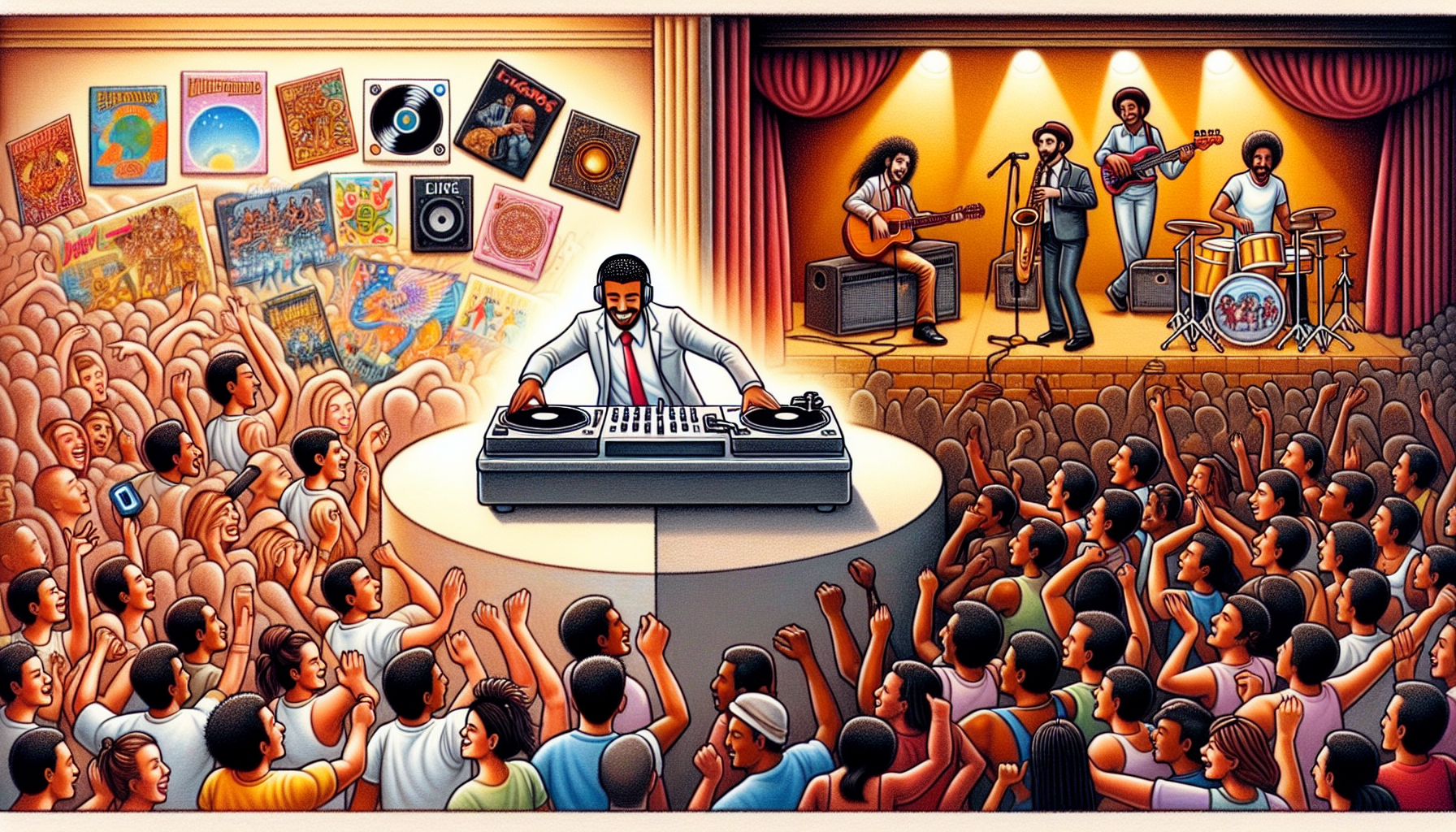
Compared to live bands, engaging a DJ for your wedding offers several advantages:
- DJs are a more economical option
- They offer a diverse music selection
- They provide additional services like emceeing and lighting, adding more value to their services.
But how do the expenses for DJs stack up against those for live bands? And how can you get the most from your DJ investment?
Comparing DJ Costs to Live Bands
Although live bands offer an authentic and unique musical experience, they can be pricier and demand more space at the venue. Selecting a live band that resonates with the couple’s preferred music genre can personalize the performance, and playing cover versions of hit songs can appeal to a wide audience.
However, for longer wedding celebrations, couples may consider extending their timeline to accommodate a more extended dance party, potentially featuring both a DJ and a live band. This way, you can enjoy the best of both worlds – the versatility of a DJ and the unique energy of a live band.
Getting the Most from Your DJ Investment
When you’re making an investment in a wedding DJ, ensure you’re maximizing the return on your investment. Many DJs offer a suite of services including:
- DJ/MC duties
- Lighting
- Photography & videography
- Photo booth
- Event coordination
All of these services, part of the wedding industry, can enhance the wedding experience for the wedding guest.
Choosing a DJ package that includes multiple services such as music, emceeing, and lighting can be more cost-effective compared to hiring separate vendors for each service. This way, you can get more value for your money while ensuring a memorable experience for your big day.
Summary
In conclusion, choosing the right wedding DJ is a crucial step in planning your big day. A great DJ does more than just play music; they set the tone for the event, coordinate with other vendors, handle technical aspects, and create an electric atmosphere that keeps everyone on the dance floor. They also ensure the music is tailored to your wedding day timeline, taking into account legalities and logistics. When selecting your wedding DJ, consider their experience, expertise, and reviews from real couples. With the right DJ, your wedding day is bound to be an unforgettable celebration filled with joy, laughter, and plenty of dancing.
Frequently Asked Questions
How much does it typically cost to hire a wedding DJ?
Hiring a wedding DJ typically costs between $800 and $4,500, with the national average around $1,500. So, it can vary depending on your location and the specific services you require.
Can a DJ take song requests from the guests during the wedding?
Absolutely! A skilled DJ can definitely take song requests from guests while making sure to maintain the vibe the couple wants for their wedding.
Why do DJs need a public performance license?
DJs need a public performance license to play copyrighted music at events like weddings. Without it, they risk copyright infringement and possible fines or legal action.
What factors should I consider when choosing a wedding DJ?
When choosing a wedding DJ, it’s important to consider their experience, expertise, and reviews from real couples. Also, make sure their energy and personality match your preferences to set the desired tone for the event.
Can I just use a Spotify playlist instead of hiring a DJ for my wedding?
A Spotify playlist is great for music, but a skilled DJ will bring extra value by managing special moments and creating an atmosphere for an epic event!!