

Choosing the right music for your wedding reception is essential to setting the mood and creating unforgettable memories. From romantic ballads to lively dance tunes, the music you select can enhance the overall experience of your big day. Here’s a straightforward guide to help you make the best choices for your wedding reception music.
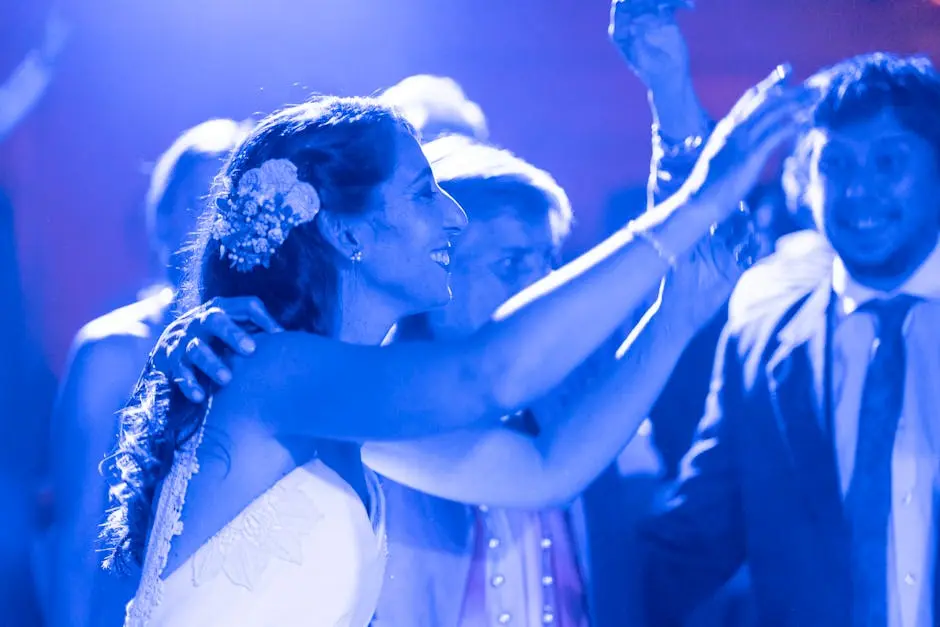
Step 1: Define Your Wedding Theme and Style
Consider how the music will complement your wedding’s overall theme and style. Whether it’s rustic, elegant, or vintage, align your music choices with this vision.
For a beach wedding, you might favor soft acoustic tracks or reggae tunes that evoke the ocean’s gentle rhythms, while a formal black-tie affair might call for classical pieces or smooth jazz. Think about how the music being played will reflect your wedding’s atmosphere.
Creating a cohesive experience means every element—whether it’s the flowers, the decor, or yes, the soundtrack—should all come together. The right music can transform a space and enhance your guests’ emotions, so choose wisely.
Step 2: Consider Your Audience
Think about your guests and their musical preferences. Mix genres to cater to different ages and tastes, ensuring everyone has something to enjoy.
If your guest list includes a mix of grandparents, young adults, and children, try blending classic hits with contemporary chart-toppers. This way, you’re not only honoring your cherished favorite songs but also keeping the dance floor packed!
You might even want to consider conversations around the dinner tables. If you’re leaning towards music that’s a bit off the beaten path, provide a balanced selection that allows for quieter moments and fun tunes for dancing later.
Step 3: Create a Must-Play and Do-Not-Play List
Outline songs that are meaningful to you and your partner for the must-play list. Include tunes to avoid that don’t resonate with you or may disrupt the ambiance.
Your must-play list should tell your love story; think of tracks from your first date, favorite couple’s song, or tracks that have memorable lyrics. These songs can create those special moments during the reception.
Conversely, be clear about your do-not-play selections. Maybe you’ve had enough of certain songs that remind you of high school parties gone wrong! Communicating these preferences ensures everyone understands your vision.
Step 4: Decide Between Live Music and DJ
Evaluate the pros and cons of hiring a live band versus a DJ. Each option offers unique benefits that can affect the energy and flow of your reception.
A live band can create an intimate, engaging atmosphere that a DJ may find hard to replicate. Watching musicians perform adds an element of authenticity to your event, making it feel even more special.
On the other hand, a skilled DJ can provide an extensive library of music and seamlessly weave together different genres, keeping the energy high. Plus, they often come equipped with top-notch sound systems that ensure great audio quality.
Step 5: Plan the Flow of Music throughout the Reception
Think about how music will transition through different parts of the reception, such as during dinner, dancing, and special moments like speeches or cake cutting.
A smooth flow is essential. Soft background music can set the mood during dinner, while an upbeat playlist can coax your guests onto the dance floor later. Consider creating a timeline of how you want the musical journey to feel throughout the evening.
Be mindful of transitions, too. For instance, as the speeches commence, make sure the volume of the background music is gently lowered to allow for clear communication. This small detail can make a big difference.
Final Thoughts on Your Wedding Reception Music Choices
By following these steps, you can ensure that the music at your wedding reception reflects your unique style and creates an unforgettable atmosphere for you and your guests. Embrace the joy of music and let it elevate your special day.